
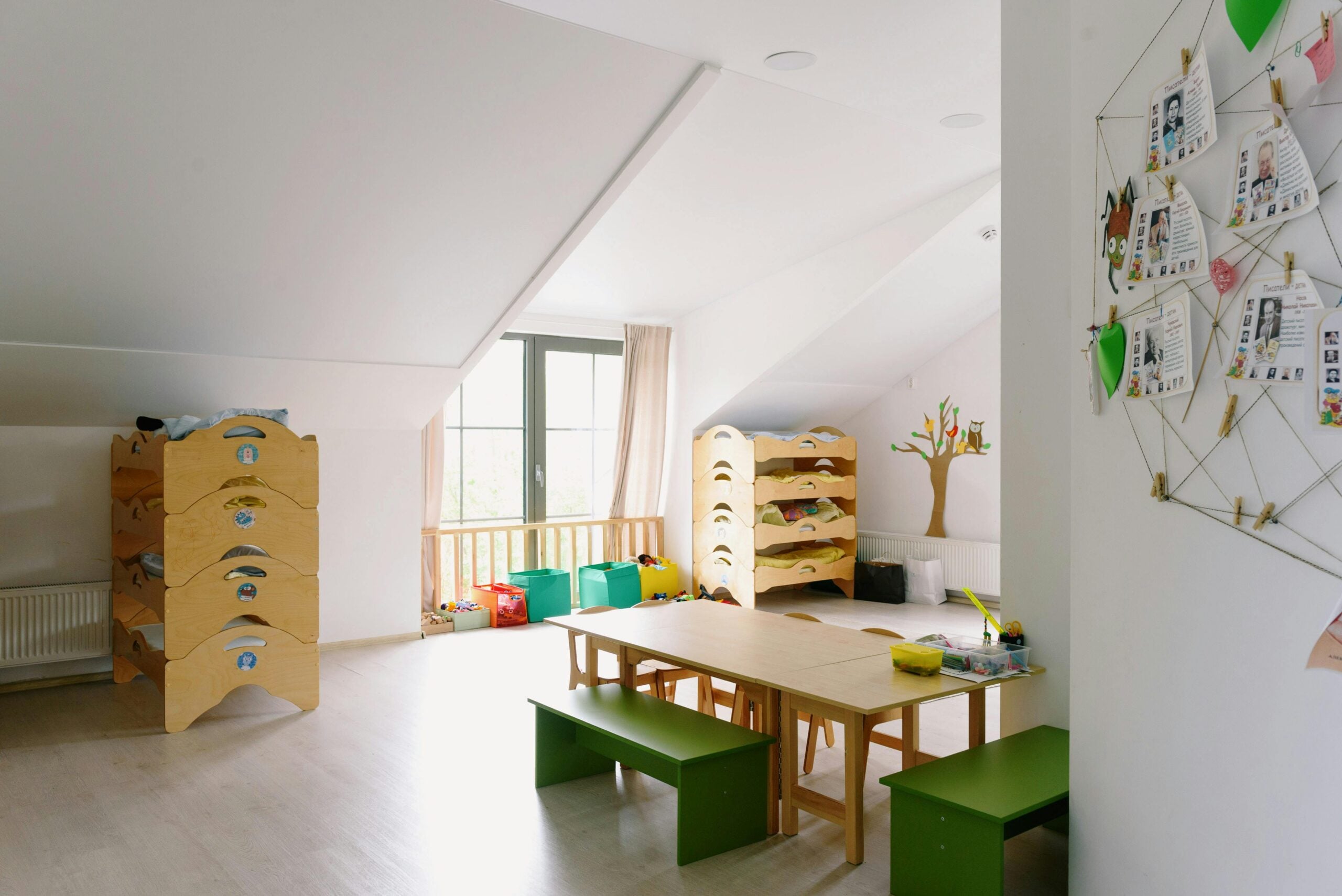
If you’re managing a childcare centre, preschool, or early learning service in Newcastle or the Hunter Region, you already know childcare centre cleaning isn’t about how the place looks at pick-up time. It’s about whether your hygiene systems hold up when a regulatory authority assessor walks through the door, or when gastro tears through the toddler room.
From 1 January 2026, refinements to the National Quality Standard (NQS) strengthened the focus on child safety in Quality Areas 2 and 7, and that change has direct flow-on effects for how cleaning, hygiene, and infection control are assessed.
This guide walks through what the National Quality Framework (NQF) expects from your cleaning program in 2026, what’s recently changed, how compliance is assessed, and what happens when cleaning falls short.
Key Insights:
- Childcare centre cleaning sits inside NQS Quality Area 2 (Children’s Health and Safety) and Quality Area 3 (Physical Environment), and is enforced through National Regulations 77 and 103.
- From 1 January 2026, refinements to Quality Areas 2 and 7 sharpened the focus on child safety
- The NHMRC’s Staying Healthy 6th Edition (released August 2024) is the benchmark resource assessors and public health units expect you to be aligned with.
- Routine environmental cleaning should be done daily; specific cleaning products should be used after any spill of body fluids.
- Failure to meet hygiene requirements can lower your rating, trigger compliance directions, or, in serious cases, result in enforceable undertakings or sanctions on your service approval.
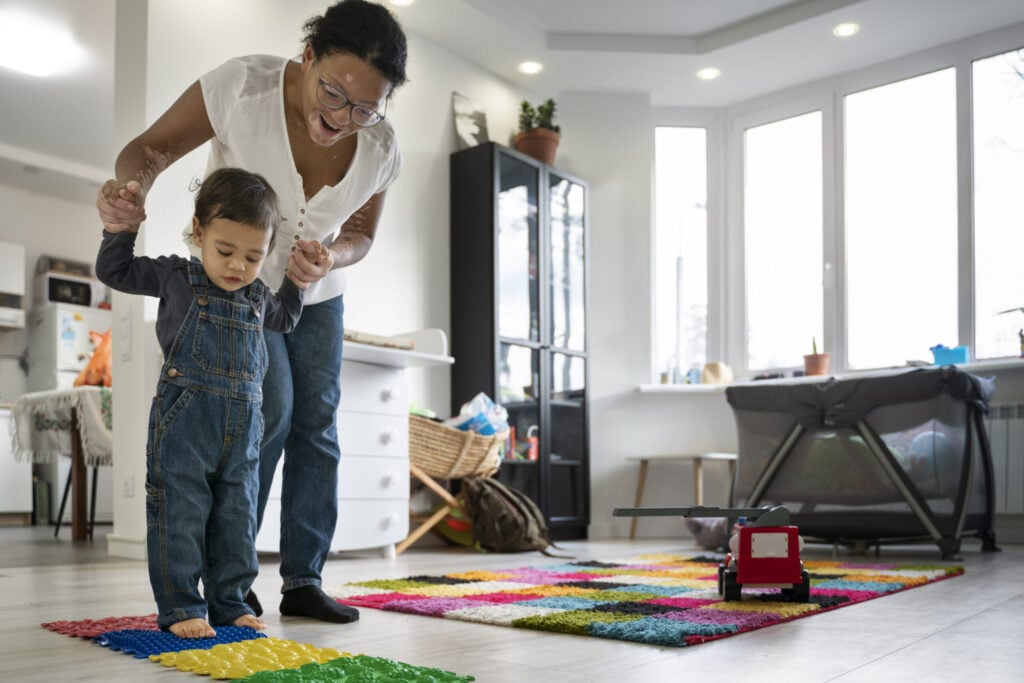
What Does the NQF Say About Cleaning?
The NQF doesn’t have a single “cleaning standard.” Instead, cleaning sits across several intersecting requirements, which is exactly why so many services get it wrong.
The relevant pieces are:
- NQS Element 2.1.2 – Health practices and procedures: “Effective illness and injury management and hygiene practices are promoted and implemented.”
- NQS Element 3.1.2 – Upkeep: “Premises, furniture and equipment are safe, clean and well maintained.”
- National Regulation 77 – Health, hygiene and safe food practices: Approved providers must ensure adequate hygiene practices are implemented.
- National Regulation 103 – Premises, furniture and equipment to be safe, clean and in good repair.
These standards assess whether you have documented, consistent, repeatable systems that actively reduce the risk of harm to children. According to ACECQA, cleaning practices need to align with recognised guidelines, with the NHMRC’s Staying Healthy guideline being the most widely referenced benchmark across the sector.
What Changed in 2026?
First, on 1 September 2025, the Education and Care Services National Regulations were amended in response to the national Child Safety Review. Then on 1 January 2026, the NQS itself was refined to reinforce child safety across Quality Areas 2 and 7. The Department of Education confirmed these refinements are designed to embed child safety into everyday practice, not bolt it on afterwards.
For childcare centre cleaning specifically, this means a few practical shifts:
- Element 2.2.3 has been renamed Child Safety and Protection, with stronger expectations around how all service systems (including hygiene) contribute to keeping children safe.
- New child safety training requirements for nominated supervisors, educators, and persons in day-to-day charge come into effect through 2026.
- Documentation expectations have tightened. Assessors are looking more carefully at whether your cleaning schedules, chemical registers, and infection-control records demonstrate consistent practice rather than ad hoc effort.
Second, the NHMRC’s Staying Healthy: Preventing infectious diseases in early childhood education and care services – 6th Edition (launched August 2024) is now the current benchmark. It includes five key practice recommendations:
- Regular hand hygiene
- Infection control during nappy changes
- Daily routine environmental cleaning
- Specific product cleaning after body fluid spills
- Exclusion of symptomatic children and staff
If your cleaning program isn’t aligned with the 6th edition, it’s already behind.
How Is Cleaning Compliance Measured?
Assessment and rating don’t come with a tick-box for “cleaning.” Instead, your cleaning systems get assessed indirectly through what assessors observe, what your documentation shows, and what your educators can describe.
Here’s what they’re looking at:
Observation During the Visit
The assessor walks through nappy change rooms, bathrooms, kitchen areas, sleep rooms, and play spaces. They’re noting whether high-touch surfaces look maintained, whether equipment looks well-kept, whether nappy change procedures are followed, and whether the smell/feel of the space is consistent with the cleaning frequency you claim.
Documentation
Cleaning schedules, daily and weekly checklists, chemical registers (with current TGA registrations and Safety Data Sheets), staff training logs, contractor agreements, and infection control policies. If you can’t produce them, or they’re inconsistent with what’s happening on the floor, that’s a problem.
Educator Interviews
Assessors ask educators about the cleaning routines they follow, what they do after a vomit incident, and how mouthed toys are handled. If the educator’s answer doesn’t match the policy folder, the system isn’t actually working.
Notifications History
Past gastro outbreaks, hand-foot-mouth clusters, or other notifiable incidents (and how your service responded) feed into the assessor’s assessment of whether your hygiene systems are effective.
Understanding this distinction matters for facility managers thinking about cleaning the same way they would for medical centre cleaning – the parallels are closer than you’d think, especially when it comes to documented infection control.
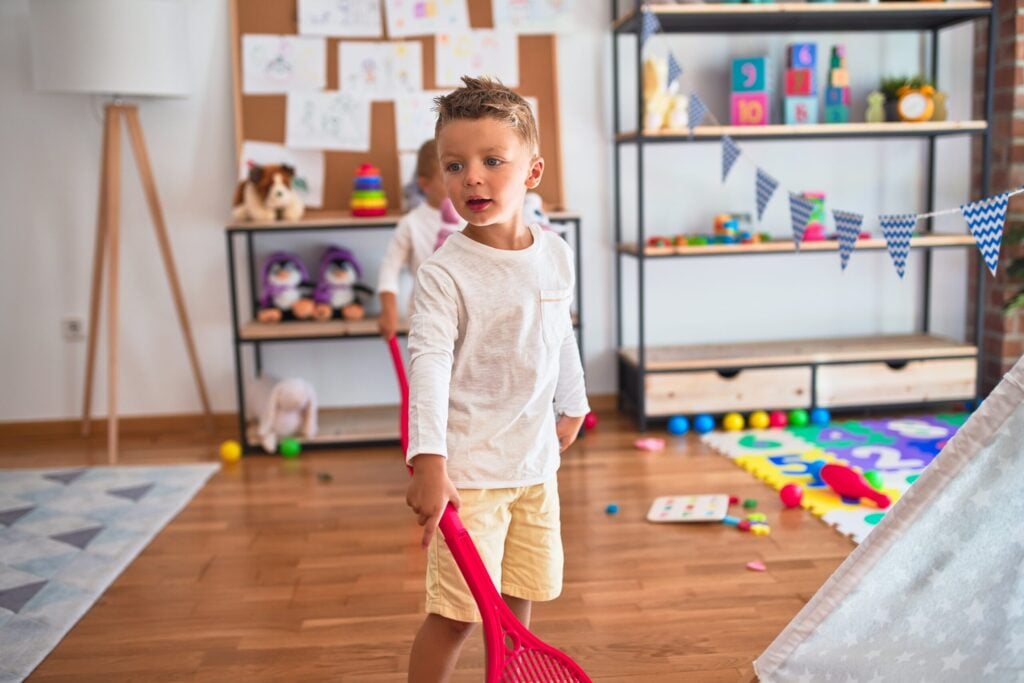
Childcare Cleaning Checklist: What Should Be on Your Schedule
A solid daycare or childcare cleaning checklist should be broken down by frequency, by zone, and by risk level. Here’s the structure most compliant services use:
Daily (every operating day)
- All bathrooms and toilets – cleaned and disinfected at end of each session
- Nappy change benches – cleaned and disinfected after every change, with a deep clean at end of day
- High-touch surfaces – door handles, gates, light switches, taps, push plates
- Tables and eating surfaces – before and after every meal
- Floors – swept, mopped, with attention to spill zones
- Bins emptied, with nappy bins separated and lined correctly
- Mouthed toys – washed, disinfected, air-dried (or rotated out of use)
- Sleep mats and bedding – cleaned in accordance with service policy, linens rotated
Weekly
- Deep clean of bathrooms (grout, behind toilets, vents)
- Sand pit checked and refreshed; covered when not in use
- Soft furnishings vacuumed, including mats and cushions
- Storage areas and educator rooms cleaned
- Light fixtures, vents, and high surfaces dusted
Monthly to quarterly
- Carpet steam cleaning
- Window cleaning (internal and external)
- Detailed clean of kitchens, including ovens and rangehoods
- Outdoor play equipment hosed down and inspected
- Chemical register audits (expiry dates, SDS currency, storage conditions)
After any incident
- Body fluid spills (vomit, faeces, blood, urine, breastmilk) – immediate clean using detergent followed by disinfection per Staying Healthy 6th Edition
- Confirmed infectious disease case – escalated cleaning of affected areas
- Outbreak (gastro, hand-foot-mouth, conjunctivitis) – additional cleaning frequency until cleared
This childcare cleaning checklist isn’t legally prescribed in this exact form; the NQF doesn’t mandate specific tasks. But it reflects what assessors expect to see and what aligns with NHMRC guidance. A daycare childcare cleaning checklist tailored to your floor plan, child age groups, and traffic patterns will always outperform a generic template.
What’s the Risk if Your Cleaning Isn’t Compliant?
This is where it gets concrete for centre directors and approved providers.
- Lower assessment ratings: A service can be rated Significant Improvement Required, Working Towards, Meeting, or Exceeding NQS. Hygiene gaps in observable practice or documentation can drag Quality Area 2 down to Working Towards, which then caps your overall rating regardless of how strong other areas are.
- Compliance directions and notices: State regulators (in NSW, that’s the Department of Education) can issue compliance directions or notices requiring you to fix specific hygiene issues within set timeframes.
- Outbreaks and notifications: Under National Regulation 86, you’re required to notify parents of infectious disease occurrences. Repeated outbreaks signal systemic hygiene failure and trigger increased regulatory attention.
- Reputational damage: In the Hunter Region, word travels fast. A gastro outbreak that hits the local parent network can shape enrolment decisions for years.
- Staff and child illness: Children miss days, parents miss work, educators get sick and call out, and your staffing ratios become harder to maintain. The NHMRC notes that children entering early learning settings often haven’t been exposed to common infectious agents and are particularly susceptible.
What Quality Early Learning Centre Cleaning Looks Like in Practice
The gap between a centre that passes assessment and one that exceeds it usually comes down to three things: people, process, and documentation.
People
Your cleaning team should be trained in infection control, understand what a TGA-registered disinfectant actually is, and follow correct dwell times. They should know which colour-coded cloth is for nappy change benches versus food prep surfaces.
Process
Cleaning systems should be zoned by risk. Nappy change areas, bathrooms, and food prep are high-risk and need their own protocols. Sleep rooms and play spaces are medium-risk. Office and storage areas are lower-risk. Each zone should have a documented method, frequency, and product list.
Documentation
Schedules visibly displayed (assessors love this), checklists signed off in real time, chemical registers maintained, incident response procedures rehearsed. Documentation is the evidence that your system works when no one is watching.
For services across Newcastle, Lake Macquarie, Maitland, Cessnock, Port Stephens, and the broader Hunter Region, the standards are the same, but the contractor pool isn’t. Choosing a provider who understands NQF compliance (not just generic industrial cleaning) is the difference between a service that’s audit-ready and one that’s hoping for the best.
Need a Childcare Cleaning Partner in Newcastle or the Hunter?
Compliance is hard to retrofit. It’s much easier to build it into your cleaning program from day one, which is what we do at Commercial Cleaning Group. Our team services childcare centres, preschools, and early learning centres across the Newcastle and Hunter Region with cleaning programs designed around the NQF, the NHMRC Staying Healthy 6th Edition, and the realities of running a busy service.
We work with your director and educators to build a schedule that aligns with your floor plan, routines, and assessment cycle. We handle the chemical registers, the SDS documentation, and the daily checklists, so your team can focus on the children.
If you’d like to talk through what compliant childcare centre cleaning could look like at your service, you can book a childcare cleaning consultation or learn more about our dedicated childcare cleaning services. We also support school cleaning services for OSHC and primary settings across the region.
Frequently Asked Questions
Isaiah is the co-founder and Director at Commercial Cleaning Group, a Newcastle-based commercial cleaning provider servicing offices, strata, warehouses, schools, medical centres and aged care facilities across Newcastle, the Hunter Region and the Central Coast. He has spent the last 5 years in commercial cleaning and oversees operations and client accounts for the CCG team.
